

Endodontic Treatment in St. Albert, AB
Endodontic Treatment Near You
Persistent tooth pain, sensitivity, or swelling can sometimes indicate a problem deep inside your tooth. At Dental Choice, we provide endodontic treatment in St. Albert, AB, to address inflammation, infection, or damage affecting the inner tissues of your teeth and help preserve your natural smile whenever possible.
If you need endodontic treatment near you, our team will examine your tooth, explain what’s causing your symptoms, and recommend the most appropriate treatment for your needs.
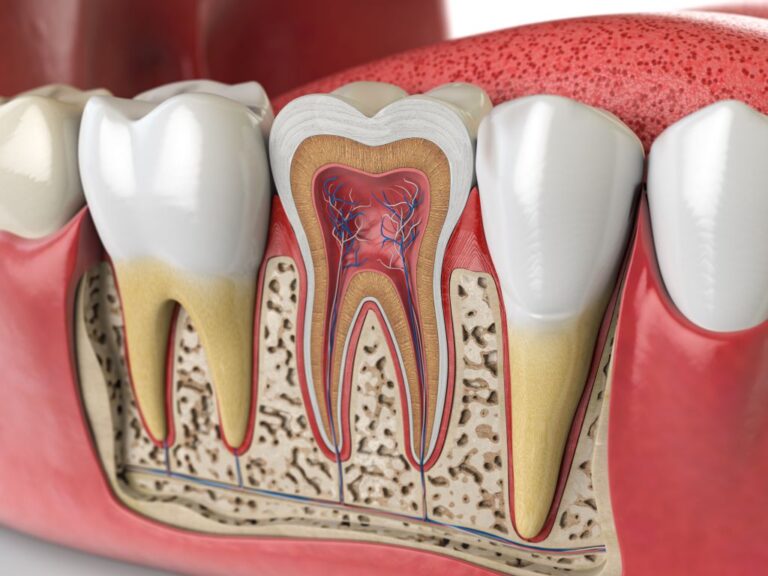
What Is Endodontic Treatment?
Endodontic treatment focuses on diagnosing and treating problems affecting the dental pulp, the soft tissue inside your tooth that contains nerves, blood vessels, and connective tissue.
The pulp can become inflamed or infected because of deep tooth decay, cracks, injuries, or repeated dental procedures. When the damage is severe, treatment may be necessary to address the infection and prevent further complications.
Root canal therapy is the most common type of endodontic treatment, but endodontic care also involves evaluating dental pulp problems and determining whether further treatment is needed.
Our dentist in St. Albert, AB, will assess your tooth’s condition and explain whether it can be treated or whether a referral for specialized care is appropriate.
Signs You May Need Endodontic Treatment
Persistent Tooth Pain
Ongoing or throbbing pain may indicate inflammation or infection inside the tooth.
Lingering Sensitivity
Pain that continues after eating or drinking something hot or cold can be a sign of pulp damage.
Pain When Biting or Chewing
Discomfort when applying pressure may be associated with inflammation around the tooth root or a cracked tooth.
Swollen or Tender Gums
Swelling near a tooth can sometimes indicate an infection.
A Pimple-Like Bump on the Gums
A small bump that drains fluid may be a sign of an abscess near the tooth root.
Tooth Discolouration
A tooth that becomes darker after an injury may have damage to its internal tissues.
If you’re experiencing these symptoms, visit a dentist near you for an assessment. Severe facial swelling, especially with difficulty swallowing or breathing, requires emergency medical attention.
Types of Endodontic Care We Offer
Root Canal Therapy
When the pulp is severely inflamed or infected, root canal treatment may help save the tooth. The procedure involves removing the affected pulp, cleaning and disinfecting the root canals, and sealing them to reduce the risk of further infection.
Evaluation of Previously Treated Teeth
Occasionally, a tooth that has undergone root canal treatment may develop new symptoms or persistent infection. We can assess the tooth’s condition and discuss whether additional treatment or a referral to an endodontic specialist is appropriate.
Why Is Early Endodontic Care Important?
Depending on your condition, timely treatment may help:
Relieve pain caused by inflammation or infection.
Treat infection inside the tooth and reduce the risk of it spreading.
Preserve a natural tooth that might otherwise require extraction.
Maintain normal biting and chewing after the tooth is properly restored.
Reduce the need for tooth replacement when treatment is successful.
Not every damaged tooth can be saved, and treatment outcomes depend on factors such as the extent of infection, remaining tooth structure, and surrounding bone support.
If we can’t save a tooth, we will explain the available alternatives, including extraction and possible tooth replacement options.
What to Expect During Your Endodontic Appointment
When you visit us for endodontic treatment in St. Albert, AB, we’ll guide you through the assessment and explain your treatment options before proceeding.
1. Dental Examination
We discuss your symptoms, review your dental history, and examine the affected tooth. We may perform sensitivity tests or take dental X-rays to help identify the cause of the problem.
2. Diagnosis and Treatment Planning
Based on our findings, we explain whether the pulp is affected, discuss the available treatment options, and determine whether the tooth can be preserved.
3. Treatment
If root canal therapy is recommended, we use local anaesthetic to numb the area before removing the affected pulp, cleaning the canals, and sealing the tooth. The exact procedure and number of appointments depend on your condition.
4. Restoration and Follow-Up
Depending on the tooth, you may need a filling or crown to restore function and protect it from further damage. We also provide aftercare instructions and recommend follow-up visits when necessary.

Why Choose Dental Choice for Endodontic Treatment?
Personalized, Patient-Centred Care
We listen to your symptoms, address your concerns, and explain the recommended treatment so you can make informed decisions about your dental health.
Comprehensive Dental Services
We provide preventive, restorative, cosmetic, and emergency dental care, so we can address a range of oral health concerns and support your ongoing dental needs.
Experienced Team and Modern Technology
Our dental team uses modern diagnostic equipment and treatment techniques to assess affected teeth and plan appropriate care.
Same-Day Emergency Appointments
We understand that severe tooth pain can disrupt your daily life. We offer same-day emergency appointments whenever possible to assess urgent dental concerns.
Flexible Payment and Insurance Options
We accept the Canadian Dental Care Plan (CDCP), offer direct insurance billing, and provide flexible payment options to help you manage treatment expenses.
Convenient Appointment Times
We offer evening appointments on Mondays and Wednesdays, along with select Saturday appointments, so you have more flexibility when scheduling dental care.
Get the Care Your Tooth Needs
Don’t ignore tooth pain and infection. An early assessment can help identify the cause of your symptoms and determine whether we can save your natural tooth.
Call (780) 484-2034 to schedule your appointment and learn more about endodontic treatment near you. Visit us at 19 Bellerose Dr, Unit 70, St. Albert, AB T8N 5C9.
Frequently Asked Questions
Is Endodontic Treatment the Same as Root Canal Therapy?
Not exactly. Root canal therapy is one type of endodontic treatment. Endodontic care also includes diagnosing problems affecting the dental pulp and assessing injured or previously treated teeth. The treatment you need depends on your tooth’s condition.
Does Every Toothache Require Endodontic Treatment?
No. Tooth pain can have several causes, including cavities, gum problems, exposed roots, cracked teeth, or pulp inflammation. We need to examine your tooth to determine the cause and recommend appropriate care. Not every toothache requires root canal treatment.
Can a Tooth That Has Already Had a Root Canal Need Further Treatment?
Yes. Although root canal treatment can preserve a tooth for many years, new decay, cracks, or persistent infection may sometimes require additional care. We can evaluate the tooth and discuss whether further treatment or a specialist referral is appropriate.
Can an Infected Tooth Heal Without Endodontic Treatment?
If the dental pulp is irreversibly damaged or infected, it generally cannot heal on its own. Antibiotics alone cannot eliminate an infection inside a tooth with infected or dead pulp. Depending on the tooth’s condition, root canal treatment or extraction may be necessary.
Does Dental Insurance Cover Endodontic Treatment?
Coverage varies by insurance provider, plan, and the type of treatment needed. Some endodontic procedures, including eligible root canal treatments, may be covered under the Canadian Dental Care Plan (CDCP). Our team can help you review your benefits and understand potential expenses before treatment.